Verse: Deuteronomy 19:15 NASB
15 “A single witness shall not rise up against a person regarding any wrongdoing or any sin that he commits; on the testimony of two or three witnesses a matter shall be confirmed.”
Summary/ TL;DR
Biblical reliability can be substantiated with Historical Evidences such as:
- Material (physical)
- Documentary (written)
- Behavioural (human response)
while using a vast amount of criteria methods such as:
- Multiply Attested
- Early Dating
- Authenticity
to determine if the evidence is true and reliable.
Introduction
To begin laying out our foundation, it’s important to list the evidence and criteria that will be used to determine Biblical and historical reliability. I concluded that the Bible and supporting historical documents had to be dated early, come from authentic sources, fit within a verifiable practice or tradition, and have multiple attestations. The objective was to minimize any subjectivity, eliminate room for fabrication, and be backed by supporting evidence. As an exception to my subjectivity statement, I theorized that when the opposition agreed to any claims, this strengthened its credibility. Therefore, as Deuteronomy 19:15 states, let’s search for additional witnesses into our investigation.
Body
In this case, the New Testament is front and center on the investigation panel. I looked at the Bible as having its own bias, with events created to fit a narrative told by the disciples. Therefore, my first sequence of events was to place distrust in the Gospels, and sought for outside supporting evidence. These additional witnesses then had to fit into my select criteria for authority. I was able to categorize my supporting corroboration into 3 main Historical Evidence categories, which are:
Historical Evidences
- Material Evidence (archaeology, artifacts), examples include:
- Ossuaries (containers to store skeletal remains, a bone box)
- Structures, ruins
- Coins, jewellery
- Inscriptions
- Documentary Evidence (written sources), examples include:
- Oral Traditions
- What did a society share orally, what did they believe and pass down?
- Christian Sources (Bible, Early Church Fathers)
- Hostile Sources (Josephus, Tacitus, etc.)
- Oral Traditions
- Behavioural Evidence (human response), examples include:
- Persecution
- Early Belief System (Corinthian Creed)
- Rapid Growth of the Church/ Conversion
- Change in Behaviour (adoption, widow assistance, etc)
With the evidence presented, the next step was to sift through and determine if this historical evidence was even reliable. With a wide variety of criteria methods, these were the list of criterion I used for affirmation, broken into Universal and Exclusive Criteria categories:
Universal Criteria:
- Early Dating
- Radiocarbon dating, historical context connection, palaeography (study of ancient writings)
- Authenticity
- Written by the authorship claim, not a forgery
- Motive
- What was there to gain, if for instance, those who would be persecuted would be less likely to suffer for a lie
- Contextual Consistency
- Does the action or occurrence fit within the context standards? ie:
- Did Romans really crucify criminals?
- Did Jews really bury their dead in tombs?
- Does the action or occurrence fit within the context standards? ie:
Exclusive Criteria:
Material Evidence
- Location
- Where was this discovery made?
- Functionality
- What is the object/ discovery’s purpose?
- Physical Properties
- What’s it made of, its appearance?
Documentary Evidence
- Early Chain of Transmission
- When information is passed between persons where accuracy and validity may degrade over links. Ideally, as closely connected to the events as possible, below is a simple chart to demonstrate:
| Generation | Link | Example |
|---|---|---|
| Jesus & Apostles | 1 | Peter, John, Matthew, Paul |
| Apostolic Generation(Closely associated with Apostles) | 2 | Mark, Luke, Timothy |
| Apostolic Fathers(Successors to the Apostles) | 3 | Polycarp, Clement, Ignatius |
| Early Church Father(Successors to the Apostolic Fathers) | 4+ | Irenaeus, Justin Martyr |
- Criteria of Authenticity
- Criterion of Embarrassment
- “is a critical analysis of historical accounts in which accounts embarrassing to the author are presumed to be true because the author would have no reason to invent an embarrassing account about himself.” – Wikipedia
- Examples:
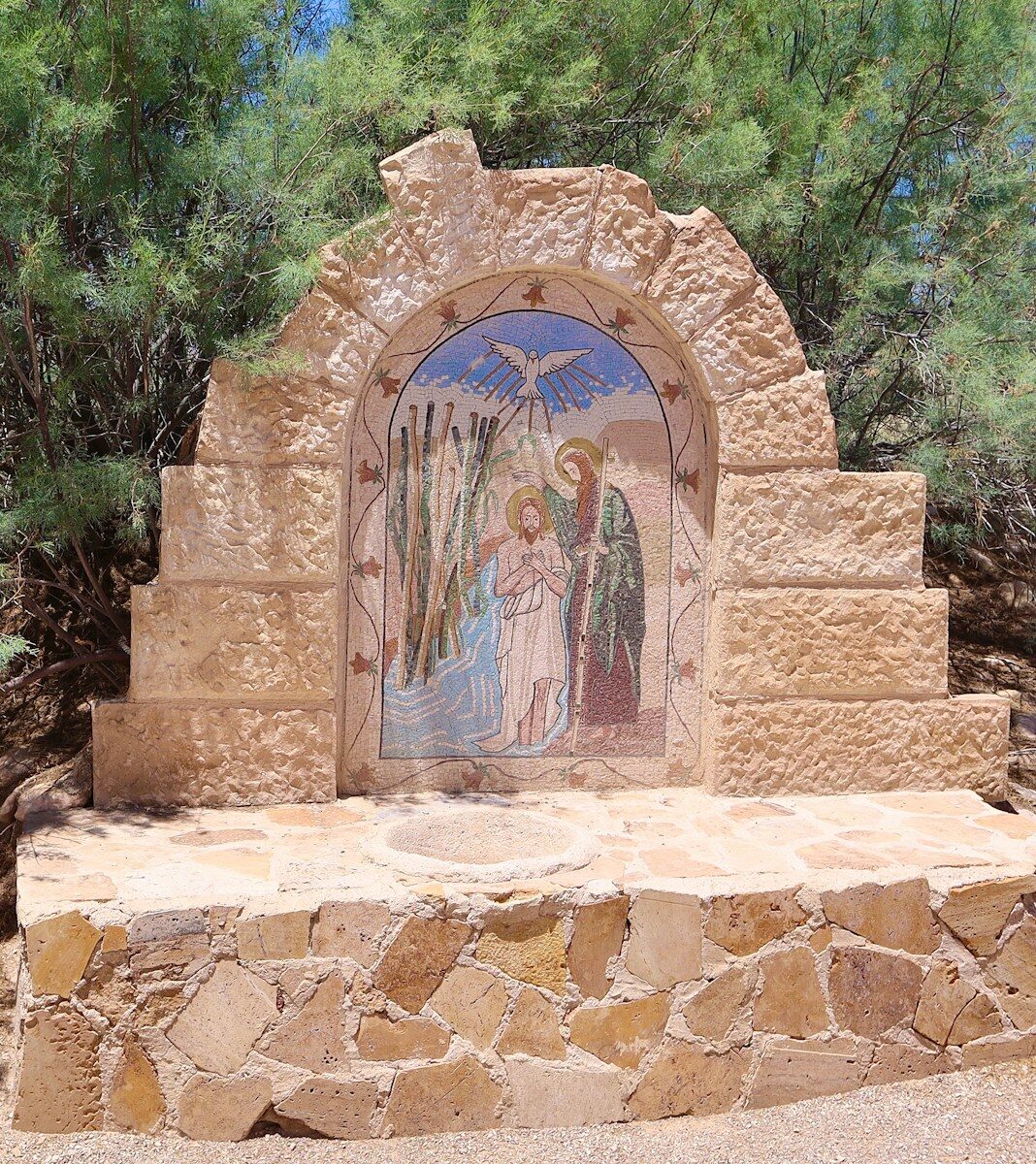
- Jesus baptized by John the Baptist
- implies John as superior and Jesus committed sins
- The disciples constant confusion and doubt
- Paints the disciples in a negative light
- Women discovered the empty tomb
- Women at the time, in Jewish culture, were not seen as credible witnesses
- Jesus baptized by John the Baptist
- Criterion of Multiple Attestation
- If a saying or event appears in multiple, independent sources, it is more likely to be historical and authentic. Pair this with other biases and criterion and the credibility increases.
- Criterion of Embarrassment
- Bias
- “ to have a strong and often unfair influence on (someone or something)”
Behavioural Evidence
- Behavioural Change
- Was there a moral value shift, ie. care for the poor, character development swing
- Commitment Cost
- Did the persecuted abandon new beliefs, or suffer the charges?
- Belief Response
- Spread of the church, actions taken, conversions
Conclusion
As previously mentioned, I first looked at the Bible as untrustworthy, and needed supporting evidence for validity. With our historical evidence and criteria methods listed, this was how I was able to determine what is true and reliable. To keep this balanced, these standards were applied not only to supporting corroboration, but to the New Testament as well. I continue to use these methods when questioning the scripture, as I’m aiming for a fair trial and investigation. To summarize, this is the foundation I continue to use to determine reliability, and to build my faith upon.